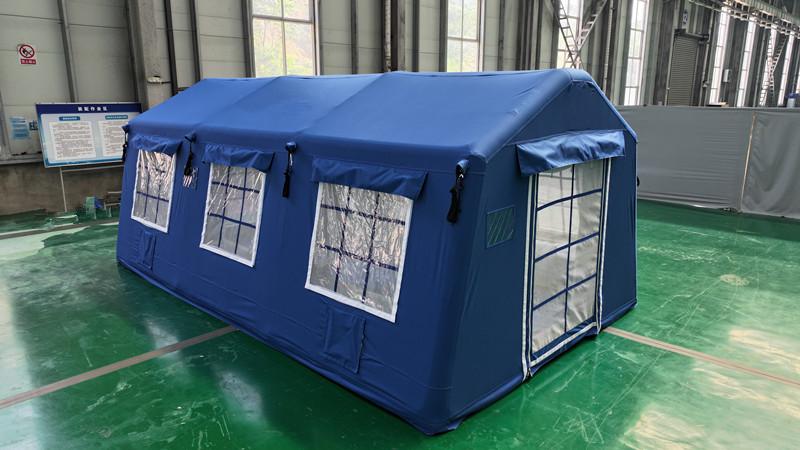
Inflatable tents are not built to last forever. But with the right care, they can serve you for five to ten years—or more—depending on usage.
Cleaning: The First Step to Longevity
After each use, cleaning is paramount. Dirt, dust, moisture, and organic debris such as leaves or animal droppings can degrade the PVC or polyester fabric over time.
To clean properly:
- Disassemble the tent and deflate it completely.
- Use a soft brush and lukewarm water with mild soap to gently wipe down the interior and exterior.
- Avoid harsh chemicals, bleach, or abrasive scrubbers, which can damage the coating.
- Allow the tent to air dry thoroughly in a shaded, well-ventilated area before packing away. Never store it while still damp.
Storage: Protecting Your Investment
Proper storage is just as crucial as cleaning. “Many people make the mistake of storing their inflatable tent in a stuff sack while it’s still slightly damp or packed tightly,” says James Reed, a veteran backpacker and founder of Adventure Care Network. “This leads to creasing, warping, and premature wear.”
Best practices include:
- Store the tent in a cool, dry place away from direct sunlight and extreme temperatures.
- Keep it loosely rolled or folded—not compressed—to prevent stress on seams and joints.
- Use a breathable storage bag instead of plastic, which can trap moisture and encourage mold growth.
Inspecting for Damage
Regular inspection helps catch small issues before they become major problems. Check for:
- Punctures or tears in the fabric.
- Loose or frayed seams.
- Wear around the air valves and inflation ports.
- Cracks or stiffness in the material—signs of aging PVC.
If minor damage is found, repair kits are widely available and easy to use. For larger issues, consult the manufacturer or a professional repair service.
Air Management and Usage Tips
Even with excellent care, improper use can lead to failure. Always:
- Inflate the tent using the recommended pump or blower (usually included with the product).
- Check the pressure regularly—overinflation can burst seams; underinflation reduces stability.
- Avoid setting up on sharp surfaces like rocks or thorns. Use a ground tarp underneath.
- Secure the tent during windy conditions with guy lines and stakes—never rely solely on air pressure.
An inflatable tent isn’t invincible while It’s designed for temporary shelter, not permanent structures.
Environmental Responsibility
With growing concerns about sustainability, manufacturers are developing eco-friendly models made from recycled materials and biodegradable coatings. Consumers are encouraged to support these innovations by choosing brands committed to responsible production and end-of-life recycling programs.
Inflatable tents are great tools for adventure—but they’re also part of our environmental footprint.
When we take good care of them, we reduce waste and extend their life, which is better for both our wallets and the planet.
Conclusion
From the backyard picnic to a music festival across the country, inflatable tents offer unmatched convenience and comfort. But their success hinges on thoughtful maintenance. By cleaning after every use, storing properly, inspecting regularly, and using wisely, outdoor enthusiasts can enjoy years of reliable performance—and contribute to a more sustainable future.
As the saying goes: “Take care of your gear, and your gear will take care of you.” With a little attention, your inflatable tent won’t just survive the next trip—it’ll thrive through many seasons to come.